Mini-Split Heat Pumps: Electrical Requirements Before You Install One
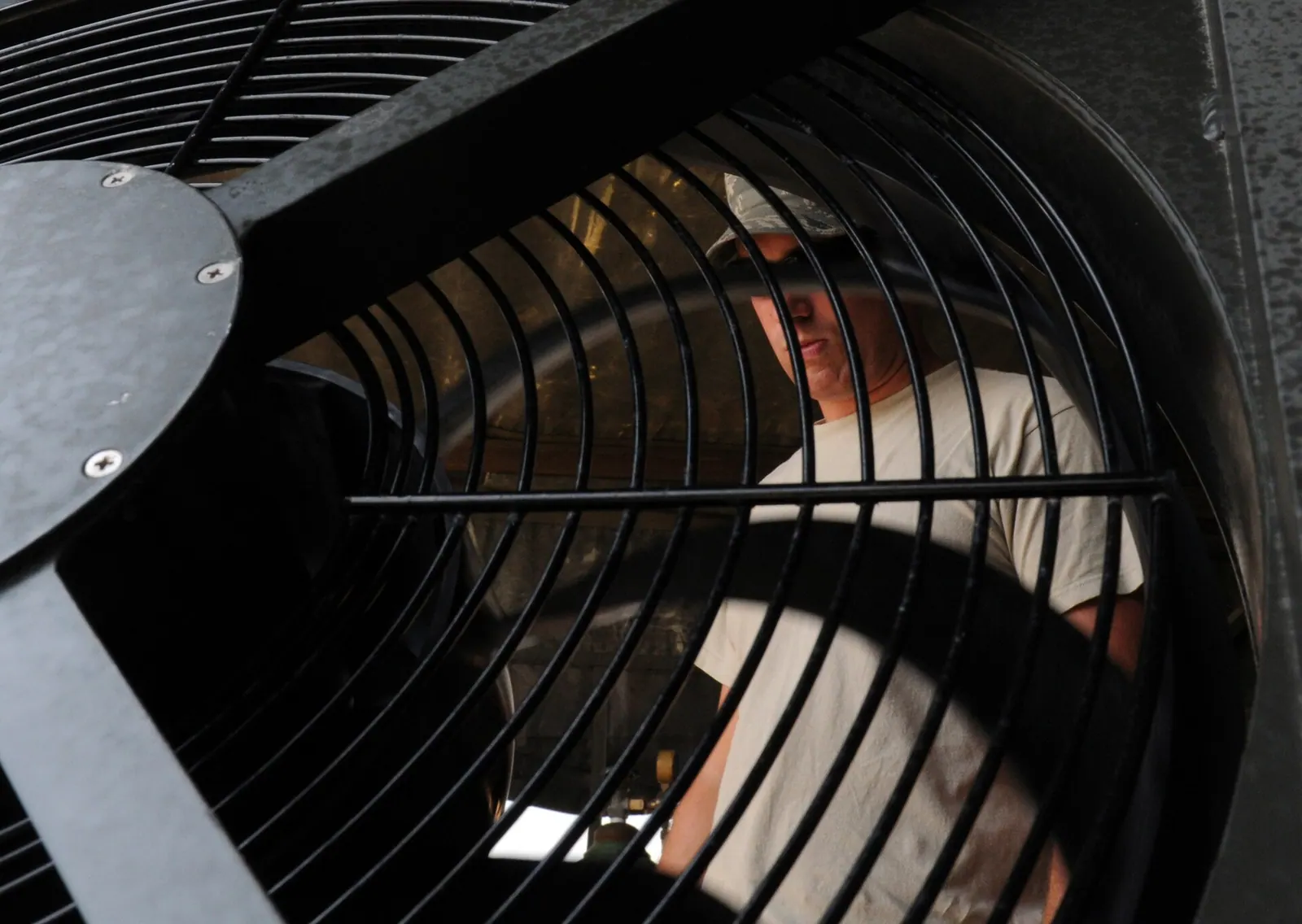
Public domain, via Wikimedia Commons
A typical single-zone mini-split needs its own dedicated circuit, usually **208/230 volts at 15 or 20 amps**, plus a disconnect switch mounted next to the outdoor unit. Multi-zone systems often need more, sometimes **30 to 40 amps**, depending on how many indoor heads are connected. Before you pick a system or call for quotes, it helps to know what your house's panel and wiring can actually support.
Key takeaways
- Most single-zone mini-splits run on a **dedicated 208/230V circuit**, not a shared household outlet.
- The outdoor unit needs a **weatherproof disconnect switch** mounted within sight of it. This is a code requirement, not an upgrade.
- Your panel needs **open breaker space and enough spare capacity**. Full panels and old 100-amp services are common roadblocks.
- The breaker size must match the **MCA and MOCP numbers on the unit's nameplate**, not a guess.
- A permit and inspection are required for this work in **Bonner and Kootenai counties**, even on a straightforward single-zone install.
What voltage and amperage does a mini-split actually need?
Every mini-split manufacturer stamps a data plate on the outdoor condenser with two numbers that matter: minimum circuit ampacity (MCA) and maximum overcurrent protection (MOCP). These tell an electrician exactly what wire gauge and breaker size the unit is designed for. You can't just guess based on the BTU rating, and you shouldn't reuse whatever circuit happens to be nearby.
Small single-zone units, roughly 9,000 to 12,000 BTU, often run on a 208/230V, 15-amp circuit. Step up to 18,000 or 24,000 BTU, and you're usually looking at a 20 or 25-amp circuit. A handful of smaller units are made for 115V service, similar to a window AC, but this is less common for cold-climate heat pumps sized for North Idaho winters.
Multi-zone systems change the math. A condenser feeding three or four indoor heads draws more total current, and the outdoor unit may require a 30 or 40-amp circuit even though each indoor head individually needs very little power. This is one reason multi-zone quotes often come with a bigger electrical price tag than homeowners expect going in.
If you're comparing systems before you've chosen one, ask the supplier or installer for the MCA and MOCP figures up front. It saves a round of back-and-forth once the electrical contractor gets involved, and it lets you get a realistic number for the electrical portion of the job instead of a rough guess.
What electrical components actually need to be installed?
A mini-split install isn't just running a wire. There are several pieces that have to be done correctly, and this is where a lot of DIY and low-bid installs run into trouble.
The dedicated circuit runs from the panel to a disconnect switch mounted on the exterior wall near the outdoor unit. Code requires this disconnect to be within sight of the equipment it serves, so the next person working on the unit can shut off power without walking back inside to the panel. From the disconnect, a short whip of conduit or flexible cable connects to the condenser itself.
Separately, a low-voltage control wire runs between the outdoor condenser and each indoor head. This communication wiring is not the same as the power circuit and should not share conduit with the line-voltage wiring. Mixing them, or running everything through one undersized conduit to save a trip to the supply house, is a common shortcut that causes interference or fails inspection outright.
One thing that commonly goes wrong: wire gauge mismatched to the breaker. It's not rare to see a 20-amp breaker installed with 14-gauge wire, which is only rated for 15 amps. This usually happens when someone reuses an existing circuit instead of running a new one sized specifically for the unit's nameplate rating. It's a fire hazard, and it's an automatic fail at inspection.
- Dedicated circuit sized to the unit's MCA/MOCP, not an existing outlet
- Weatherproof disconnect switch mounted within sight of the outdoor unit
- Properly sized wire gauge matched to the breaker, not downsized to save cost
- Separate conduit runs for line voltage and low-voltage control wiring
- Weatherproof, sealed penetrations where wiring enters the exterior wall
Does your electrical panel have room and capacity?
This is the part people skip when they're pricing a mini-split and then get surprised by later. Adding a new 20 or 30-amp circuit means you need an open slot in the panel, and you need enough spare capacity for the added load without exceeding what the panel and service are rated for.
A lot of homes in Bonner and Kootenai counties, especially older cabins and farmhouses, still have 100-amp services with panels that are already close to full. If you're adding a mini-split as a second source of heat alongside electric baseboard or an older furnace, the load calculation can tip over what a 100-amp service can safely carry. In that case, the real project isn't the mini-split circuit, it's a panel or service upgrade, and that's a different scope and budget entirely.
Even in panels with available capacity, physical space can be the problem. Some panels are full of single breakers with no room for a new double-pole breaker, and not every panel brand allows tandem or slimline breakers as a workaround. An electrician doing a proper load calculation before the install, not after, catches this early instead of mid-project.
If you're installing a mini-split as your primary heat source for a cabin or addition, rather than just supplemental cooling, it's worth having someone run the full load calculation for the whole structure. Heating loads in a North Idaho winter are a lot higher than the cooling load most people think about first, and a system sized and wired for summer AC duty can come up short, electrically and in output, come January.
Permits, inspections, and local code requirements
Electrical work for a mini-split requires a permit in Bonner and Kootenai counties, and it gets inspected. This surprises some homeowners who assume permits are only for bigger jobs like service upgrades or new construction. The permit covers the new circuit, the disconnect, and the wiring method, and the inspector is checking that the breaker matches the nameplate rating, that the disconnect is properly located, and that the wiring is protected and sized correctly.
Outdoor equipment disconnects generally don't require GFCI protection under current code in most jurisdictions, since HVAC equipment is typically exempt, but local amendments vary and it's worth confirming with whoever pulls the permit rather than assuming. This is a detail that changes from one code cycle to the next, so don't rely on what was true five years ago.
Skipping the permit is a real risk beyond just getting caught. Unpermitted electrical work can complicate a home sale, cause issues with insurance claims if there's ever an electrical fire, and leave you with no record that the work was done to code. If a previous owner or a handyman installed a mini-split without a permit, it's worth having an electrician take a look before you rely on that circuit for another ten years of winters.
FAQ
Can I plug a mini-split into a regular outlet?
No. Mini-splits need a dedicated circuit sized to the unit's nameplate rating, not a shared household outlet. Running one off an existing outlet overloads the circuit and won't pass inspection.
How much does the electrical work for a mini-split typically cost?
It varies a lot based on how far the new circuit has to run, whether your panel has room, and whether a disconnect and whip are straightforward to install. As a rough range, a single-zone circuit and disconnect on a panel with available capacity often falls in the **few hundred to low thousand dollar range**, while a job that requires a panel upgrade can run several thousand more. Get a specific quote once an electrician has seen your panel and the planned unit location.
Do I need an electrician if I'm also hiring an HVAC contractor?
Often yes. Many HVAC contractors handle the refrigerant lines and mounting but subcontract the electrical circuit, disconnect, and panel work to a licensed electrician, since that's a separate trade and license in Idaho. Ask upfront who is pulling the electrical permit and doing that portion of the work.
Before you buy the unit
Get the MCA and MOCP numbers for any mini-split you're considering, and have an electrician look at your panel before you commit to a system size. It's a lot easier to adjust your plans at the quote stage than after the unit is already on the wall. Sageland Electric handles this kind of panel evaluation and circuit installation across Bonner and Kootenai counties, and can tell you early on whether your existing service has the room or whether an upgrade needs to be part of the plan.
Need an electrician in North Idaho?
Family-owned, 5-star rated, and 21 years serving Bonner and Kootenai counties.
Request service