5 Electrical Mistakes DIYers Make in Older Kootenai County Homes
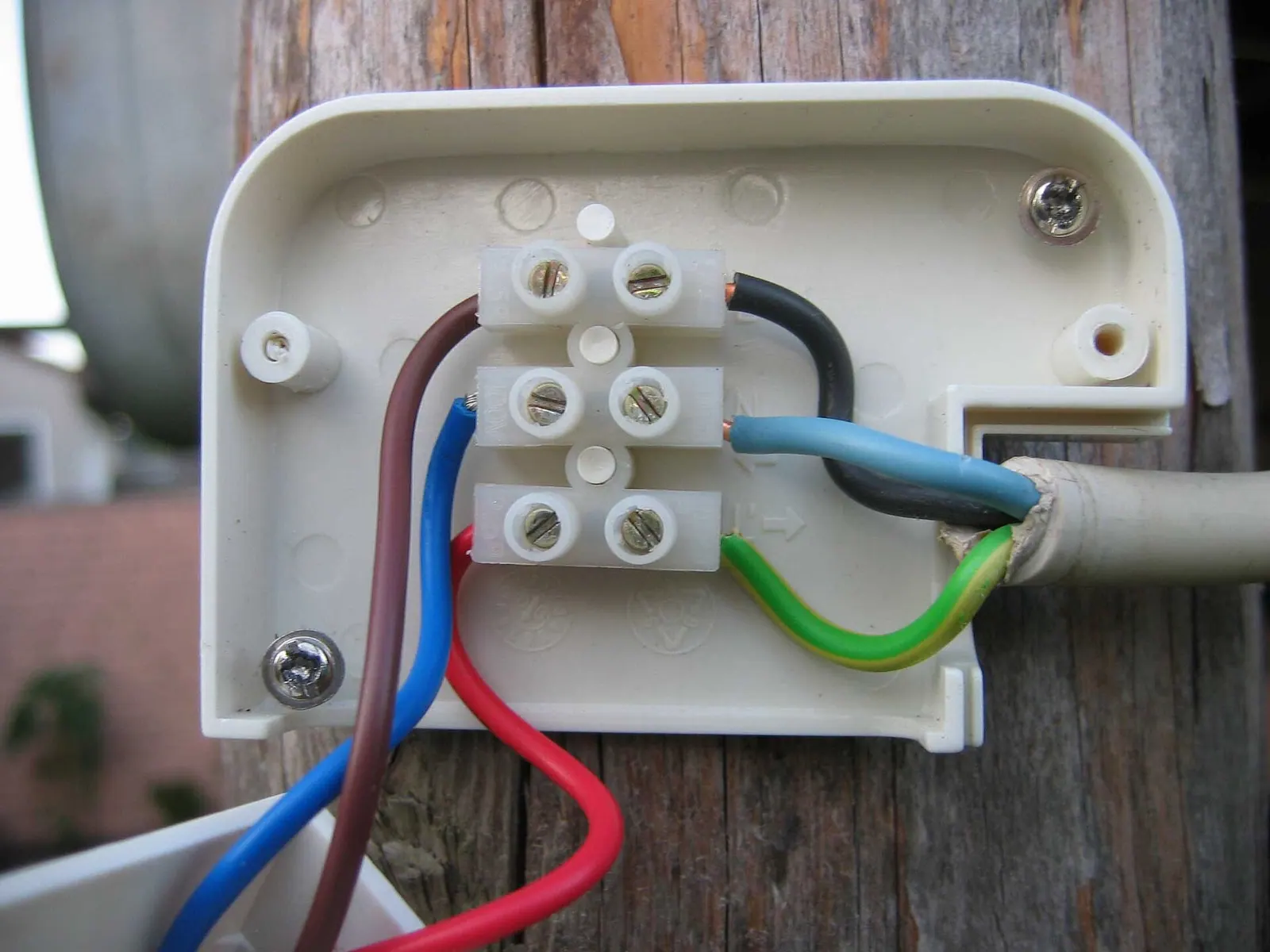
Public domain, via Wikimedia Commons
Homes built before the 1980s in Coeur d'Alene, Hayden, Post Falls, and out toward Rathdrum weren't wired for the way we live now. Add a DIY project on top of old wiring and you get a specific set of mistakes that show up over and over: two-prong outlets swapped for three-prong without a ground, wire nuts on old cloth-insulated conductors, breakers that don't match the panel, and junction boxes buried behind drywall. None of these are exotic problems. They're predictable, and they're avoidable if you know what to check before you start.
Most likely cause
The single biggest driver of DIY mistakes in older Kootenai County homes is assuming the house is wired like a modern one. A lot of these homes started with knob-and-tube or early two-wire NM cable (no ground wire at all), then got partial upgrades over the decades. So you might have grounded outlets in the kitchen from a 1995 remodel and ungrounded two-wire everywhere else. A DIYer pulls one outlet, sees a ground wire, and assumes the whole circuit is grounded. It isn't. That single bad assumption is behind most of the mistakes on this list.
You can confirm this in five minutes with a $10 outlet tester. Plug it into outlets in different rooms and check the reading. If you get "open ground" on some and "correct" on others in the same house, you have mixed wiring generations and need to treat every circuit as its own question, not assume consistency.
Less common causes
A few other conditions trip up DIYers almost as often:
- Aluminum branch wiring. Some homes built in the late 1960s and 1970s used aluminum for 15 and 20 amp circuits, not just the big appliance runs. Aluminum expands and contracts differently than copper and loosens at connections over time, which causes heat. Confirm by checking wire color at an outlet or panel; aluminum is dull silver, not copper-orange. If you find it, any device swap needs an antioxidant paste and a connector rated for aluminum, or a pigtail with a proper AlumiConn or COPALUM connector. Standard wire nuts are not the fix.
- Fuse panels or subpanels with no separate ground bus. Older service panels sometimes bond neutral and ground together in a subpanel where they should be separate, or have no ground bus at all. Confirm by opening the panel cover (power still on is fine, just don't touch anything) and looking for a green ground bar that's isolated from the neutral bar in any subpanel. If neutral and ground share the same bar in a subpanel, that's a code violation and a shock hazard.
- Buried junction boxes. Decades of remodels leave splices behind walls with no visible box, because someone didn't feel like cutting drywall for a proper enclosure. Confirm by watching for warm spots on walls, flickering fixtures with no obvious cause, or simply knowing your home's remodel history. This one is hard to confirm without opening walls, which is exactly why it stays hidden for years.
How to fix it
Here are the five specific mistakes we see most often, and what to do instead.
- Mistake 1: Installing a 3-prong outlet on an ungrounded circuit. A grounding outlet on a two-wire circuit is a code violation and a false sense of safety, because it looks grounded but isn't. The fix is either a GFCI outlet labeled "No Equipment Ground," which is code-legal and protects people even without a ground path, or running an actual ground wire back to the panel if the circuit and access allow it.
- Mistake 2: Mixing wire nut brands and sizes for old cloth or aluminum wiring. Standard wire nuts sized for 12-14 gauge copper don't always grip smaller, more brittle cloth-insulated wire, and they're the wrong connector entirely for aluminum. Use connectors rated for the wire gauge and metal type you actually have, and check the box for a torque or gauge range printed on it.
- Mistake 3: Reusing an old two-slot outlet box that's too small for a new device. Building code has minimum box fill volumes based on wire count and device size. Old boxes were sized for fewer conductors. Cramming a modern GFCI or a ground wire into an undersized box causes overheating risk and makes the cover plate not sit flush. Swap in a listed remodel box (metal or plastic, sized for the fill) instead of forcing the old one to work.
- Mistake 4: Putting a 20-amp breaker on 14-gauge wire to "stop the tripping." This is one of the most common and most dangerous DIY mistakes. If a 15-amp breaker keeps tripping, the circuit is telling you something, either too many devices on it or a fault. Swapping to a 20-amp breaker without checking wire gauge lets the wire carry more current than it's rated for, which is a fire risk. Confirm wire gauge at the panel (14-gauge is thinner, usually stamped on the sheathing) before touching breaker size.
- Mistake 5: Working on a circuit without confirming it's actually off. In older homes, panel labeling is often wrong or outdated after decades of remodels. Flipping the labeled breaker isn't enough. Use a non-contact voltage tester at the outlet or fixture itself after flipping the breaker, every time, even if you've done it a hundred times. This is the mistake that causes injuries, not the wiring itself.
When it is not worth fixing
Small stuff, swapping a single outlet, replacing a switch, adding a GFCI, is reasonable DIY territory once you know what you're dealing with. But there's a point where patching an old system stops making sense.
If a home still has any active knob-and-tube wiring, or aluminum branch circuits throughout instead of just at a few connections, patch jobs are a losing game. You'll spend money and weekends fixing one circuit at a time while the rest of the house carries the same risk. A full rewire or at least a whole-panel and circuit assessment tends to be the better long-term move once you're dealing with widespread outdated wiring rather than one or two odd outlets.
Cost is real here and worth being honest about. A single outlet or switch swap might run you an hour of labor and under $50 in parts if you're paying someone, or a Saturday afternoon if you're doing it yourself. A partial rewire of a room or two can run into the low thousands. A full home rewire on an older house, depending on size, access, and whether walls are open or closed, commonly lands somewhere between $8,000 and $25,000, sometimes more for larger homes or difficult access. That's a wide range on purpose, because it depends heavily on square footage and how much drywall has to come down.
If you're not sure which side of that line your project falls on, it's worth having a licensed electrician walk the panel and a few rooms before you start pulling wire nuts. Sageland Electric has been doing that kind of walkthrough for older homes across Bonner and Kootenai counties for over 21 years, and it usually takes less time than one failed DIY attempt.
Need an electrician in North Idaho?
Family-owned, 5-star rated, and 21 years serving Bonner and Kootenai counties.
Request service