Backup Power Planning for Home Medical Equipment
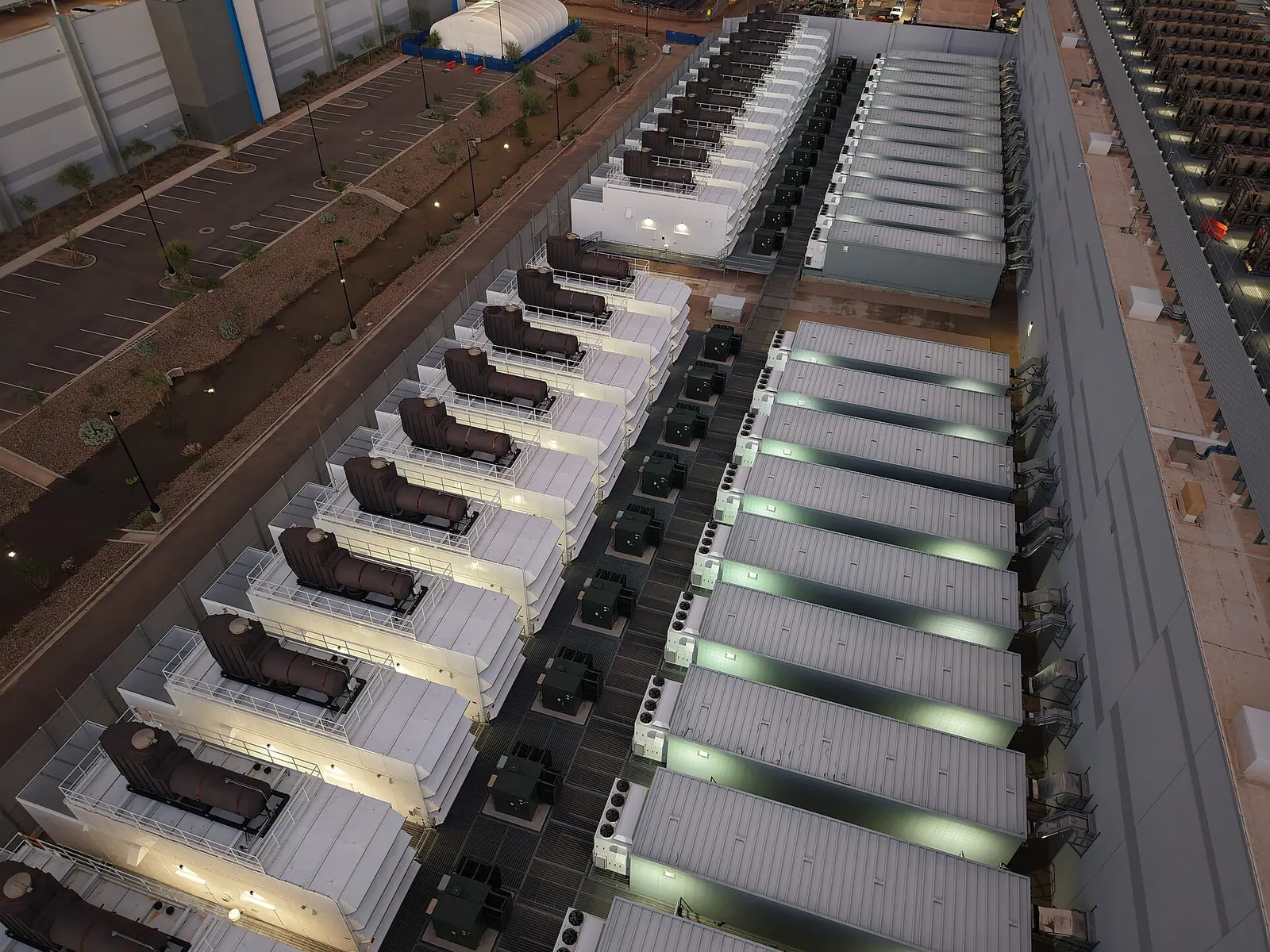
CC0, via Wikimedia Commons
A power outage in North Idaho usually means a downed line from wind or a tree limb, and most of the time it's fixed in a few hours. But if someone in the house depends on an oxygen concentrator, CPAP, feeding pump, dialysis equipment, or a powered wheelchair charger, a few hours can turn into a real emergency. The question isn't whether the power will go out. In Bonner and Kootenai counties, with our winter storms and long rural lines, it's when, and for how long.
Most likely cause
The most common gap isn't a lack of concern. It's a lack of math. Families know they need "some kind of backup," buy a battery pack or a portable generator, and never actually calculate whether it covers the device, for how many hours, and whether it's set up to kick in automatically or needs someone awake at 2 a.m. to start it.
To confirm this is your situation, ask three questions. What is the wattage draw of the device, continuous and at startup? How many hours of runtime does your current backup actually provide at that draw, not the manufacturer's best-case number? And does the backup turn on by itself, or does it depend on a person being home and alert? If you can't answer all three with a number or a yes, you don't have a plan yet, you have a hope.
Less common causes
A few other gaps show up less often but matter just as much.
- The backup is plugged into the wrong outlet. A portable generator run through extension cords to one room works until someone unplugs it to run a space heater, or the cord gets routed through a doorway and pinched. Confirm by tracing the actual path from generator to device right now, not from memory.
- The battery is sized for the wrong scenario. A UPS that comfortably runs a CPAP for eight hours might give an oxygen concentrator only 45 minutes, because concentrators draw far more power. Confirm by checking the device's wattage label against the battery's rated watt-hours, not just its marketed "hours of backup."
- There's no plan for being away from home. Cabin trips, travel, or evacuation during wildfire season all mean the medical equipment and its backup power need to move too, or there needs to be a second plan at the destination. Confirm by asking what happens if the outage hits while you're not at the house with the main backup system.
How to fix it
Building a real plan takes a few hours up front. It's worth doing once, properly, rather than patching it every storm season.
- List every powered medical device in the house and write down its wattage (check the nameplate or manual) and whether it has an internal battery already.
- Calculate realistic runtime needs. Don't plan for "a few hours." Idaho outages from ice storms or wind events can run anywhere from a few hours to multiple days. Plan for at least 24 to 72 hours of coverage for critical devices, and know your backup plan for longer outages, whether that's a generator refuel schedule or relocating to somewhere with power.
- Match the backup type to the need.
- A small UPS (uninterruptible power supply) is good for devices that need an instant, gap-free switch, like a CPAP or a feeding pump, but most consumer units only run 30 minutes to a few hours.
- A larger battery backup system can run specific circuits for a day or more and switches over automatically.
- A portable generator is cheaper upfront but needs fuel, needs to be started manually unless paired with an automatic transfer switch, and has to be run outdoors, never in a garage or near windows, because of carbon monoxide risk.
- A standby generator with an automatic transfer switch is the most reliable option for a household with ongoing medical equipment needs, since it starts itself within seconds of an outage and can run as long as fuel is supplied.
- Have a licensed electrician install a transfer switch if you're using any generator larger than a small portable unit. Backfeeding power into your house wiring without a transfer switch is illegal in most jurisdictions, it's dangerous to utility line workers, and it can damage your home's electrical system or the generator itself.
- Test the full system under load, not just at idle. Run the actual medical device off the backup power for the length of time you're counting on, at least once a year, ideally before winter storm season.
- Talk to the equipment's medical supplier. Many durable medical equipment (DME) companies have backup battery options designed specifically for their devices, and some will register patients with the utility company for priority restoration status during outages.
- Register with your utility. Avista and other regional utilities keep lists of customers with life-sustaining equipment needs, which can affect outage communication and sometimes restoration priority. It's a phone call, and it costs nothing.
- Write the plan down and keep a copy near the electrical panel and in a go-bag: what device needs power, what backup covers it, how to start or switch it, and a fallback plan if the primary backup fails.
When it is not worth fixing
Not every household needs a whole-home standby generator, and it's worth being honest about the economics before spending thousands of dollars on more backup than the situation calls for.
If the medical device in question is low-wattage and already has a built-in battery rated for several hours, like many modern CPAPs and some feeding pumps, a simple UPS or an extra device battery from the manufacturer may be all that's needed. Spending several thousand dollars on a standby generator to back up a device that already runs six hours on its own battery is solving a problem that doesn't exist.
On the other end, if the household runs several high-draw devices, like an oxygen concentrator plus other medical equipment, and outages in your specific area tend to run long, a full standby generator with an automatic transfer switch is usually the right call even though it costs more upfront, typically somewhere in the range of several thousand to over ten thousand dollars installed depending on size and fuel type. A portable generator that someone has to remember to start and refuel at 3 a.m. during an ice storm is not a realistic plan for that level of need.
The other honest answer is that for some households, especially those at a cabin or second home that sits empty for stretches, the better investment isn't more backup power on-site. It's a clear plan to relocate the person and their equipment to a primary residence or a relative's home at the first sign of a multi-day outage, paired with just enough battery backup to make that move safely.
If you're trying to figure out which category your household falls into, or you need a transfer switch installed correctly and safely for a generator you already own, Sageland Electric works with homeowners across Bonner and Kootenai counties on exactly this kind of planning, and can walk through the math with you before you spend money on backup power you don't need, or find out the hard way that what you have isn't enough.
Need an electrician in North Idaho?
Family-owned, 5-star rated, and 21 years serving Bonner and Kootenai counties.
Request service