Generator Transfer Switches: Interlock Kit vs Automatic Switch
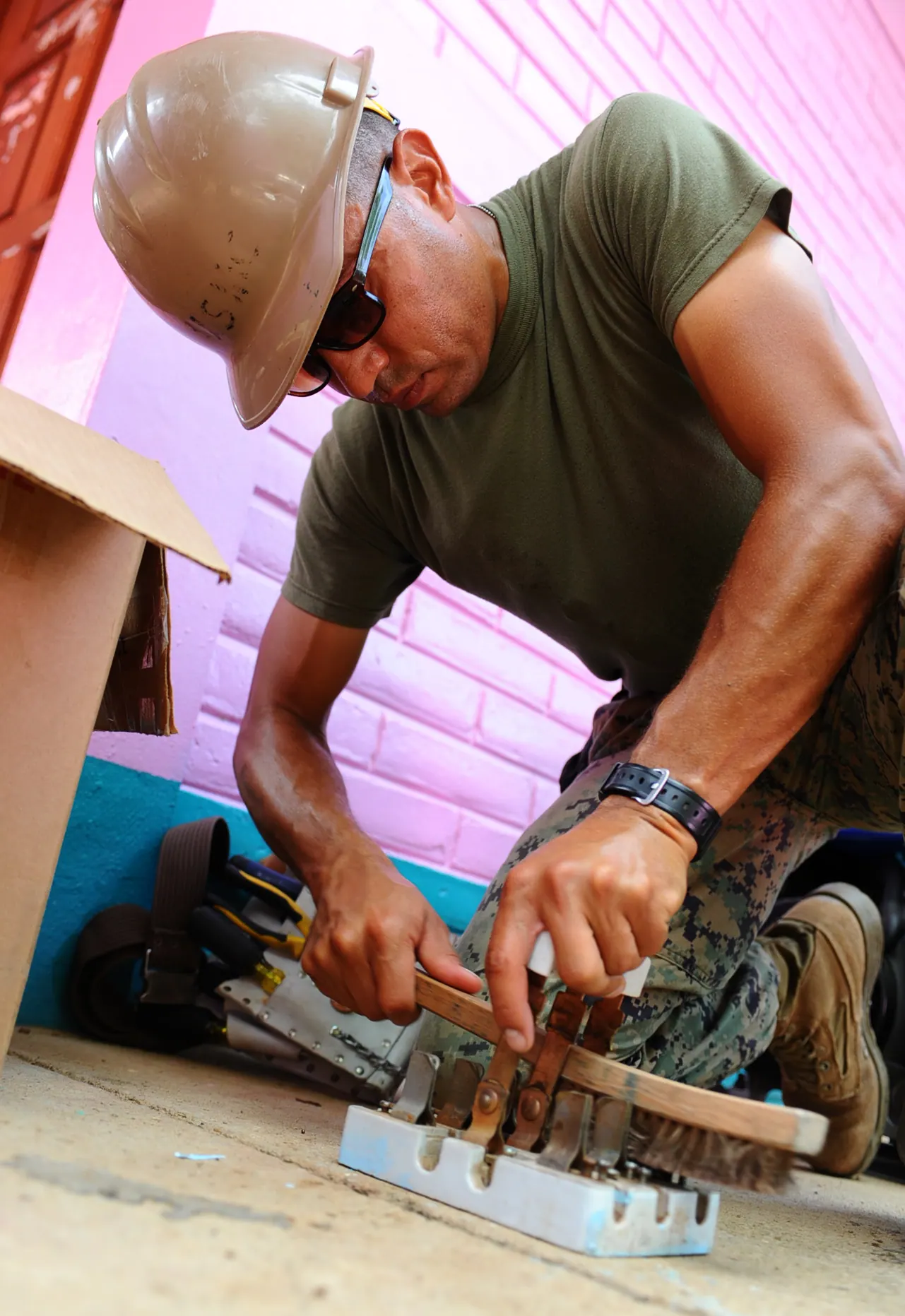
Public domain, via Wikimedia Commons
If you want the cheaper option and don't mind flipping switches yourself during an outage, get an interlock kit. If you want the power to come back on whether you're home or not, get an automatic transfer switch. Both are safe when installed correctly. The difference is money and how much you have to do when the lights go out.
The short answer
For most full-time residents who are usually home and comfortable following a simple routine, an interlock kit is the practical choice. It costs less, works with a portable generator you already own or plan to buy, and does the one job that matters: keeping generator power and utility power from ever meeting on the same panel. For cabins, rentals, medical needs at home, or a business that can't afford downtime, an automatic transfer switch paired with a standby generator is worth the extra cost, because it works whether or not a person is there to run it.
What changes the timing
A few things push the decision one way or the other:
- How often you actually lose power. If outages in your area are rare and short, a manual system is easy to live with. If your part of Bonner or Kootenai county loses power for days at a time in winter storms, automatic switching earns its cost fast.
- Whether the property is occupied. A second home or cabin that sits empty for weeks needs automatic power to protect pipes and prevent freeze-ups. Nobody is there to run a cord to the porch.
- Budget and what generator you already have. Interlock kits work with the portable generator many people already own. A standby system with an automatic transfer switch usually means buying a permanently installed generator too, which is a much bigger project.
- What's on the circuit. A well pump, sump pump, medical equipment, or a business server room raises the cost of downtime and tilts the decision toward automatic.
Signs you are overdue for an upgrade
Some situations make it clear the manual approach isn't working anymore:
- You've missed outages while traveling and come home to a warm freezer or frozen pipes.
- Running the extension cord and flipping breakers has become a two-person job because of age, mobility, or just how the panel is laid out.
- You've had a close call, like almost forgetting to shut off the main breaker before starting the generator.
- The property changed use, going from a weekend cabin to a full-time rental, or a home office that now depends on internet and computers staying up.
- A business has had even one outage cost more in lost work or spoiled inventory than a transfer switch would have cost to install.
What happens if you wait too long
The real risk with manual interlock systems isn't the equipment, it's human error under stress. Skipping the shutdown step, or trying to backfeed a panel without an interlock at all, can send power out through the meter and onto lines that a utility crew believes are dead. That's a genuine electrocution risk to line workers and it's illegal in most places for good reason. Interlock kits solve this by making it physically impossible to have both the main breaker and the generator breaker on at the same time. Skip the interlock and try to make do with a cheater cord or an ungrounded workaround, and you're gambling with someone's life, not just your own equipment.
On the automatic side, waiting too long usually means a different kind of cost: repeated losses that a transfer switch would have prevented. Every unattended outage without automatic backup is a chance for frozen and burst pipes, a failed sump pump and a flooded basement, or spoiled food in a freezer nobody's checking. For a rental or a business, it can mean lost bookings, lost revenue, or damaged equipment. None of that shows up as a single bill. It shows up as a string of smaller costs that eventually add up to more than the transfer switch would have.
There's also a cost to upgrading later instead of planning ahead. If you install an interlock kit now and decide in a few years you want automatic switching, some of that work carries over, like the generator inlet and any panel changes, but the switch and controls are a separate purchase and a separate install. Planning the full setup from the start, even if you install it in phases, usually costs less than doing it twice.
Either system needs to be sized to the panel and installed so the interlock or transfer switch actually prevents backfeed, which means it has to match your panel's make and model, not just any generic kit off a shelf. Sageland Electric installs both interlock kits and automatic transfer switches around Bonner and Kootenai counties and can walk through your panel, your generator, and how you actually use the property before recommending one over the other.
Need an electrician in North Idaho?
Family-owned, 5-star rated, and 21 years serving Bonner and Kootenai counties.
Request service