Converting a Barn or Pole Building into a Shop: Electrical Basics
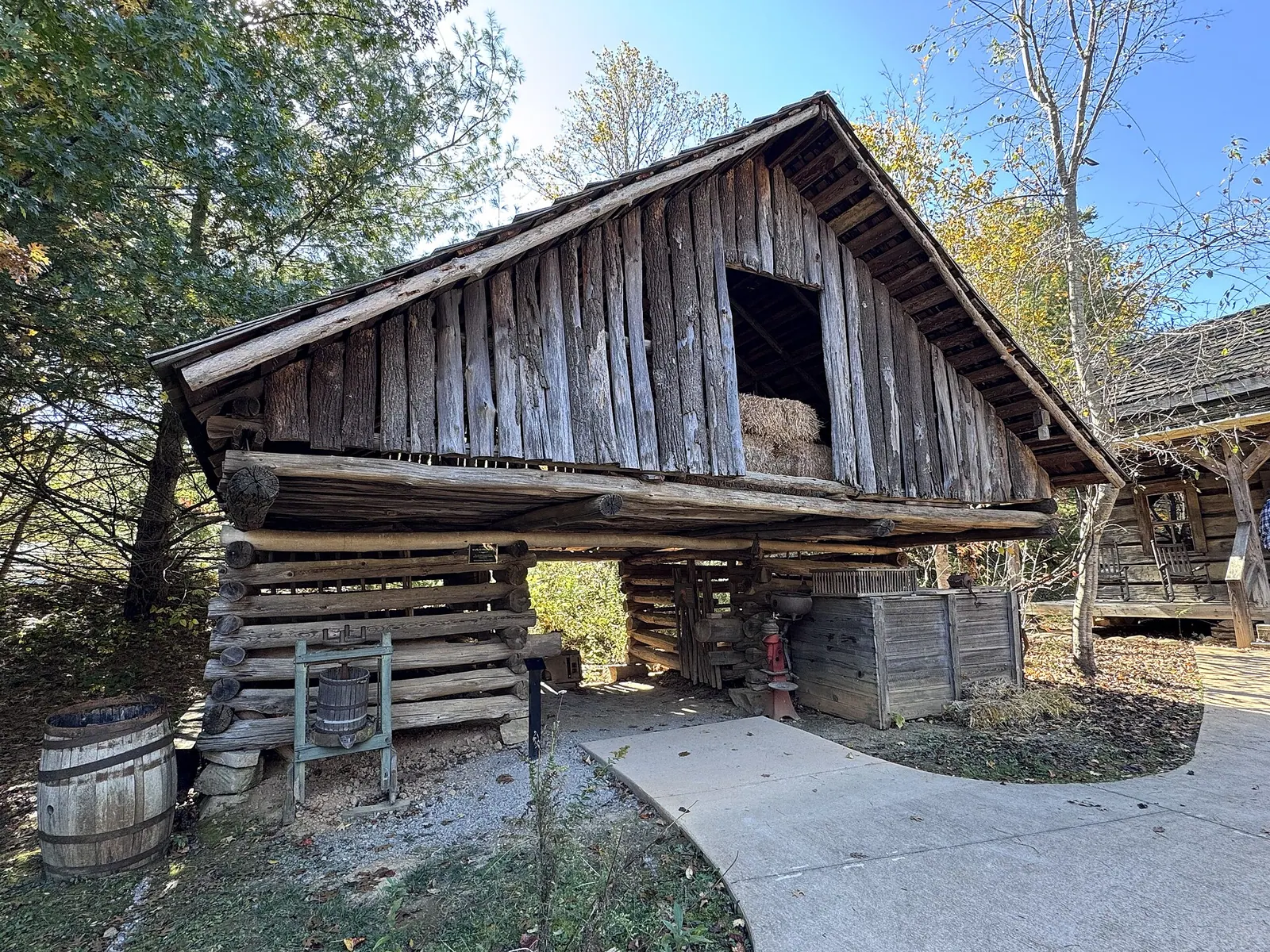
CC0, via Wikimedia Commons
You've got a pole building or old barn and you want to turn it into a real shop. Right now it probably runs off one circuit, maybe fed by an extension cord or a single 15-amp breaker shared with the yard light. That's fine for a bulb and a radio. It's not fine for a welder, an air compressor, a space heater, and a few power tools running at once. If you've tripped breakers, smelled hot plastic at an outlet, or just want to do this right before you get hurt or burn the building down, here's what's actually involved.
Most likely cause
Most pole buildings and barns in Bonner and Kootenai counties were wired as an afterthought. A contractor or the landowner ran a 12-2 or 10-2 wire from the house panel or a nearby pole, just enough for lights and an outlet or two. There was no permit, no load calculation, and often no dedicated grounding at the building itself. That setup was fine for its original use. It was never sized for shop tools.
To confirm this is your situation, find where the power comes from. Look at the breaker feeding that circuit in the main panel. If it's a single 15 or 20-amp breaker and the wire looks like standard Romex rather than a proper feeder cable, that's your answer. Also look at the building itself. If there's no gray metal panel with its own breakers, just a junction box and some outlets wired in a line, you're dealing with a single branch circuit, not a subpanel.
Less common causes
Sometimes a building already has a subpanel, but it still isn't right.
- Improper bonding. In a detached subpanel, the neutral and ground bars need to be separated, with grounding handled through its own electrode system at the building. If someone wired it like a main panel, with neutral and ground tied together, that's a shock hazard. Confirm by opening the subpanel and checking whether the neutral bar is isolated from the enclosure and ground bar, or bonded to it.
- Undersized feeder for what's there now. Some buildings got upgraded decades ago to run a subpanel, but the feeder wire is too small for what people actually plug in today. Confirm by checking the wire gauge stamped on the cable jacket against the breaker size at the source. A 100-amp panel fed by 10-gauge wire is a problem, not an upgrade.
- No grounding electrode at the building. Code requires a grounding electrode system, typically ground rods, at any detached structure with its own panel. Confirm by looking outside near where the feeder enters the building for a ground rod and bare copper wire running to it. If you don't see one, it's probably missing.
How to fix it
Converting the building into a real shop means treating it like what it is: a detached structure needing its own properly sized electrical service. The steps, roughly in order:
- Do a load calculation first. List what you actually plan to run: lighting, general outlets, a compressor, a welder, a heater, maybe a dust collector. Add it up. This tells you whether you need a 60-amp subpanel or a 100 to 200-amp one. Guessing here leads to either an undersized panel or paying for capacity you'll never use.
- Size and run the feeder. This is usually copper, sized for the subpanel amperage and the distance from the source, buried in conduit if it's underground or run overhead with proper clearance if not. Longer runs need larger wire to avoid voltage drop, which matters more once you start running motors and welders.
- Install the subpanel with a main disconnect. If the building has its own disconnecting means and the feeder doesn't carry the neutral-ground bond, a four-wire feeder with separated grounds and neutrals at the subpanel is standard practice.
- Set a new grounding electrode system. Ground rods driven at the building, bonded to the subpanel's ground bar. This is required for any structure with its own panel and it's not optional for safety.
- Run dedicated circuits for big loads. A welder or air compressor usually needs its own 240-volt circuit sized to the equipment's nameplate rating. Don't daisy-chain these off a general outlet circuit.
- Put GFCI protection on outlets in damp or unheated areas. A shop with a concrete floor and no climate control almost always needs GFCI protection on receptacles. It's cheap insurance and it's required by code in most of these spaces.
- Pull a permit and get it inspected. This isn't paperwork for its own sake. An inspector catches the bonding mistakes and undersized wire before you're using the building, not after something fails. In Bonner and Kootenai counties, this work needs a permit and a licensed electrician's sign-off to be done legally and safely.
When it is not worth fixing
Not every barn is worth turning into a shop, and not every shop needs a 200-amp service. If you only plan to run lights, a radio, and the occasional drill, a properly sized 30 or 60-amp subpanel with a handful of circuits is enough. Paying for a 200-amp service you'll never use is money better spent elsewhere.
On the other end, if the building's framing is sagging, the roof leaks onto where the panel would go, or the structure needs real work before it's usable, it's worth fixing the building first. Running new electrical into a structure that needs to be re-sided or re-roofed in the next few years means redoing some of that work later.
Feeder distance matters too. If the shop is a long way from the house or the nearest transformer, trenching and conductor cost can get expensive fast. In some cases it makes more sense to have the power company bring service closer, or to reconsider whether a smaller, closer outbuilding makes more sense than converting the one you have.
If you're not sure which category your building falls into, that's a reasonable thing to have someone look at in person. Sageland Electric does this kind of evaluation regularly for cabin owners and small business owners across North Idaho who are turning an old building into something they'll actually use.
Need an electrician in North Idaho?
Family-owned, 5-star rated, and 21 years serving Bonner and Kootenai counties.
Request service