Fire Safety Tips for Space Heaters and Holiday Lighting
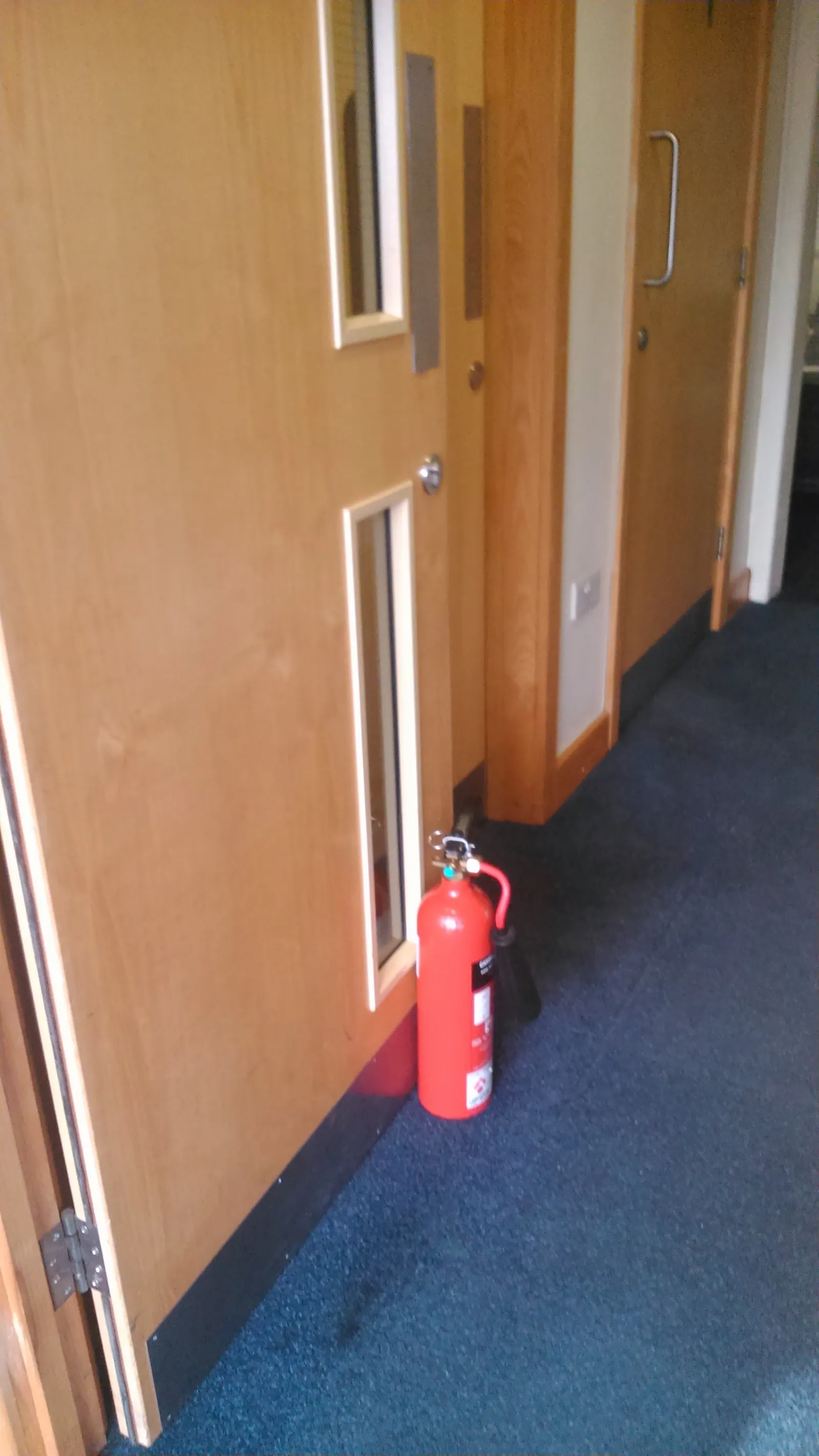
CC0, via Wikimedia Commons
Most space heater and holiday light fires trace back to the same three things: overloaded circuits, damaged cords, and heaters placed too close to something that burns. Fixing the actual risk, not just buying a nicer heater, usually runs $0 to $600. The low end is free habits and a few dollars in new cords. The high end is adding a dedicated circuit for a heater you run all winter, which is the single upgrade that removes the most common cause of these fires.
What drives the cost
| Factor | Effect on cost |
|---|---|
| Age of home's wiring | Homes with older wiring or a full panel often need an electrician to add capacity before a dedicated circuit is possible, adding cost |
| Distance from the panel | A new circuit run 10 feet from the panel is cheaper than one run across a crawlspace or through finished walls |
| Panel capacity | A panel with open slots and available amperage keeps costs down; a full panel may need a subpanel, which adds real money |
| Number of rooms using space heaters | One dedicated circuit for a heated shop or bedroom is inexpensive; wiring several rooms adds up fast |
| Holiday lighting scale | Swapping a few strands for LED and checking cords costs almost nothing; permanent roofline outlets or timers add labor |
A realistic example
A typical case in this area: a cabin or second home with electric baseboard heat used only on weekends. The owner runs a portable space heater in a detached shop or guest room to take the chill off before the baseboards catch up, plugging it into whatever outlet is closest, sometimes through an extension cord. That's the setup that shows up in insurance claims every winter.
The fix is a dedicated 20-amp circuit run directly to that room, with its own outlet rated for the heater's full draw. In a home with panel capacity to spare and a reasonably short run, that job typically lands in the $300 to $500 range, including a permit and inspection where required. If the panel is full or the run has to go through finished walls or a crawlspace with limited access, it can push toward $700 to $900. Either way, once it's done, the heater runs on its own circuit with no extension cord, no shared load with other appliances, and no risk of a cord overheating under a rug.
Where people overpay, and where they underspend
People often spend money in the wrong place. They buy a $150 heater with a fancy display and skip the $15 heavy-duty extension cord check, or they run brand-new LED holiday lights through a cord that's cracked from last winter's cold. The heater's features don't matter if the circuit behind it is already carrying a space heater, a mini fridge, and a string of lights.
On the lighting side, the biggest waste is buying decorative extension cords rated for light indoor use and running them outside in the cold and wet. Outdoor-rated cords cost a little more but they're built for the temperature swings and moisture that North Idaho winters bring. The cheap indoor cord left outside is where insulation cracks and shorts happen.
The other overspend is calling an electrician for a full panel upgrade when the real problem is one overloaded circuit. A good electrician will check load on the existing circuit first. Sometimes the fix really is a new circuit for $300 to $500. Sometimes it's just moving the heater to a different outlet that isn't already shared with three other things.
Practical habits that cost nothing
- Keep space heaters 3 feet from anything that can burn, including curtains, bedding, and boxes.
- Plug space heaters directly into a wall outlet. Never use an extension cord or power strip for a space heater.
- Choose a heater with a tip-over switch and overheat protection. Nearly all newer models have both, but check before buying a used one.
- Turn heaters off when you leave the room or go to bed. Don't run them unattended overnight.
- Inspect holiday light cords each year for cracked insulation, exposed wire, or loose sockets. Replace strands that show damage instead of patching them.
- Use outdoor-rated cords and lights outside, and don't link more than three light strands end to end unless the manufacturer says otherwise.
- Turn off holiday lights when you leave the house or go to sleep. Timers are cheap and reliable for this.
When to call an electrician
If a breaker trips whenever the space heater runs, that's the panel telling you the circuit is maxed out. Don't reset it and move on. If outlets feel warm to the touch, if you smell anything burning near an outlet or cord, or if your home still has knob-and-tube wiring or an older fuse panel, get it looked at before winter gets serious. A basic load check and inspection is a small cost compared to what a house fire or an insurance claim runs. Sageland Electric handles these checks and dedicated circuit installs across Bonner and Kootenai counties, and it's a straightforward job when the wiring underneath is in reasonable shape.
Need an electrician in North Idaho?
Family-owned, 5-star rated, and 21 years serving Bonner and Kootenai counties.
Request service