Electrical Load Calculations: Why They Matter for Home Additions
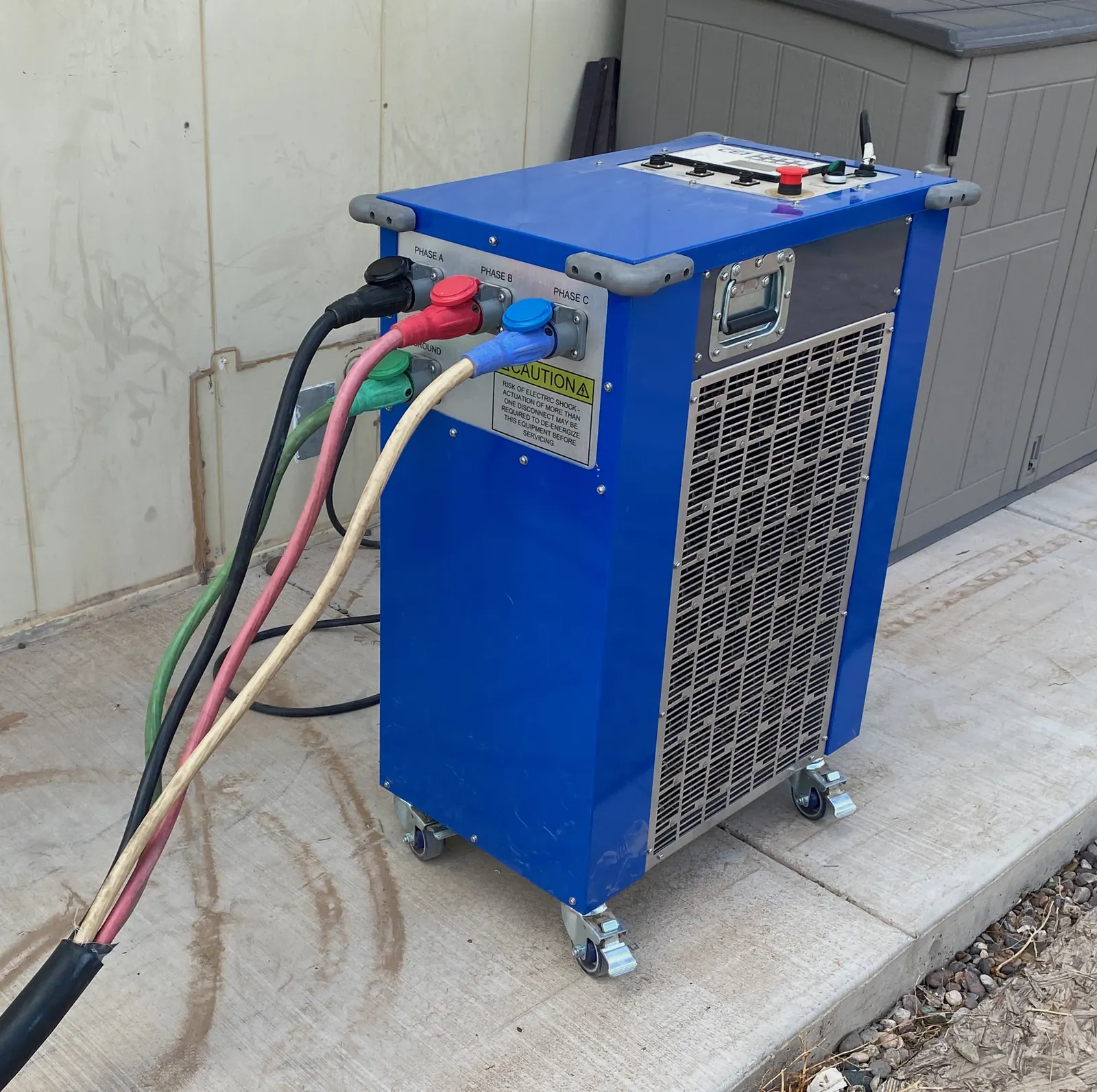
CC0, via Wikimedia Commons
If you are planning an addition, an electrician will likely ask to run a load calculation before touching your panel. This is not paperwork for its own sake. It tells you whether your existing electrical service can safely carry the new square footage, or whether you need a bigger panel or upgraded service first. Skipping this step is how additions end up with tripping breakers, overheated panels, or a failed inspection.
Most likely cause
The most common reason a load calculation matters is that older homes were wired for a smaller footprint and fewer appliances than what people run today. A house built with a 100 amp service in the 1980s or 90s often has electric baseboard heat, a well pump, an electric water heater, and a kitchen full of appliances already using most of that capacity. Add a bedroom, a bathroom, a shop, or a great room with more lighting and outlets, and there may not be room left on paper, even if the panel has open breaker slots.
To get a rough sense of where you stand, check the label on your main breaker for the service size (60, 100, 150, or 200 amp are common) and look at what is already installed: electric heat, electric range, electric water heater, well pump, hot tub, or a heat pump. Homes with several of these on a 100 amp service are frequently at or near capacity before any addition is considered.
Less common causes
Sometimes the panel itself is not the limiting factor. A few other situations come up regularly around Bonner and Kootenai counties:
- Undersized service wire or meter base. A panel can be rated for 200 amps, but if the wire from the meter to the panel or the service drop itself was sized for less, that becomes the real ceiling. This is confirmed by an electrician checking wire gauge and the utility's service records, not just the panel label.
- One or two large new loads, not general growth. Sometimes the addition itself is modest, but the real load comes from something specific planned for it: an EV charger, a hot tub, a mini-split heat pump, or an electric kiln or welder in a shop. A single 40 to 60 amp circuit can push a marginal panel over the edge even if the square footage added is small.
- Code requires the calculation regardless of how things look. Building departments in Idaho generally require a documented load calculation as part of the permit package for additions that add circuits or a subpanel. Even if you are fairly sure there is headroom, the inspector wants it on paper using the standard method, not a guess.
How to fix it
A proper load calculation follows a set method from the National Electrical Code (NEC Article 220), and it is worth understanding the basic shape of it even if you are not doing the math yourself:
- List existing loads: general lighting and receptacles (calculated per square foot), fixed appliances (water heater, range, dryer, dishwasher), and any large equipment like a well pump or hot tub.
- Add the new loads planned for the addition: lighting and outlets for the new square footage, plus anything specific like a heat pump head, EV charger, or shop equipment.
- Apply demand factors. Not everything runs at full draw at the same time, so the code allows reduced percentages for certain categories (like dryers, ranges, and general lighting above a threshold). This is where a flat "add up the nameplate amps" approach gets misleading, and why this step is usually left to someone who does it regularly.
- Compare the total calculated load to the service rating. If the total comfortably fits under the service size (with some margin, not right at the edge), a subpanel or new circuits can typically be added to the existing service.
- If the calculation is close to or over the service rating, the options are usually: upgrade the main panel and service (for example 100 amp to 200 amp), reduce planned loads, or add load management equipment that limits certain circuits from running at the same time as others.
For most additions, this process takes an electrician a short site visit plus some paperwork, not a major project on its own. The real cost driver is what the calculation reveals, not the calculation itself.
When it is not worth fixing
Occasionally a load calculation shows plenty of headroom, and the honest answer is that no upgrade is needed at all. This is common in newer homes with 200 amp services and gas heat, gas water heater, and gas range, where the electrical load is mostly lighting and small appliances. In that case, the calculation is quick, the answer is favorable, and the addition proceeds with a simple subpanel or circuit extension.
On the other end, if a load calculation shows a home is already near capacity and the addition includes a heat pump, EV charger, or similar large load, patching around the problem is rarely worth it. Adding a small subpanel fed from an already maxed-out service, or relying on a homeowner to manually manage which circuits run at once, tends to cause nuisance tripping and safety concerns down the road. In these cases, upgrading the service (commonly in the rough range of a few thousand dollars depending on utility requirements, meter base work, and panel size) during the addition project is usually more cost effective than doing it as a separate project later, since the walls are already open and the electrician is already on site.
There is also a middle case worth mentioning: cabins and second homes on older or marginal services, common around the lake and in more rural parts of Bonner County. If an addition is planned for occasional use rather than full-time living, it can be tempting to skip the calculation and just wire it in. This is where problems tend to surface unexpectedly, often in winter when electric heat and appliances all run at once during a cold stretch. A load calculation done up front, even for a part-time property, avoids finding this out the hard way.
Sageland Electric runs load calculations as a standard part of addition planning in Bonner and Kootenai counties, so homeowners know before permits and framing whether the existing panel and service will carry the new space, or whether an upgrade should be part of the plan from the start.
Need an electrician in North Idaho?
Family-owned, 5-star rated, and 21 years serving Bonner and Kootenai counties.
Request service