Do You Need a Permit for Electrical Work in Idaho?
CC0, via Wikimedia Commons
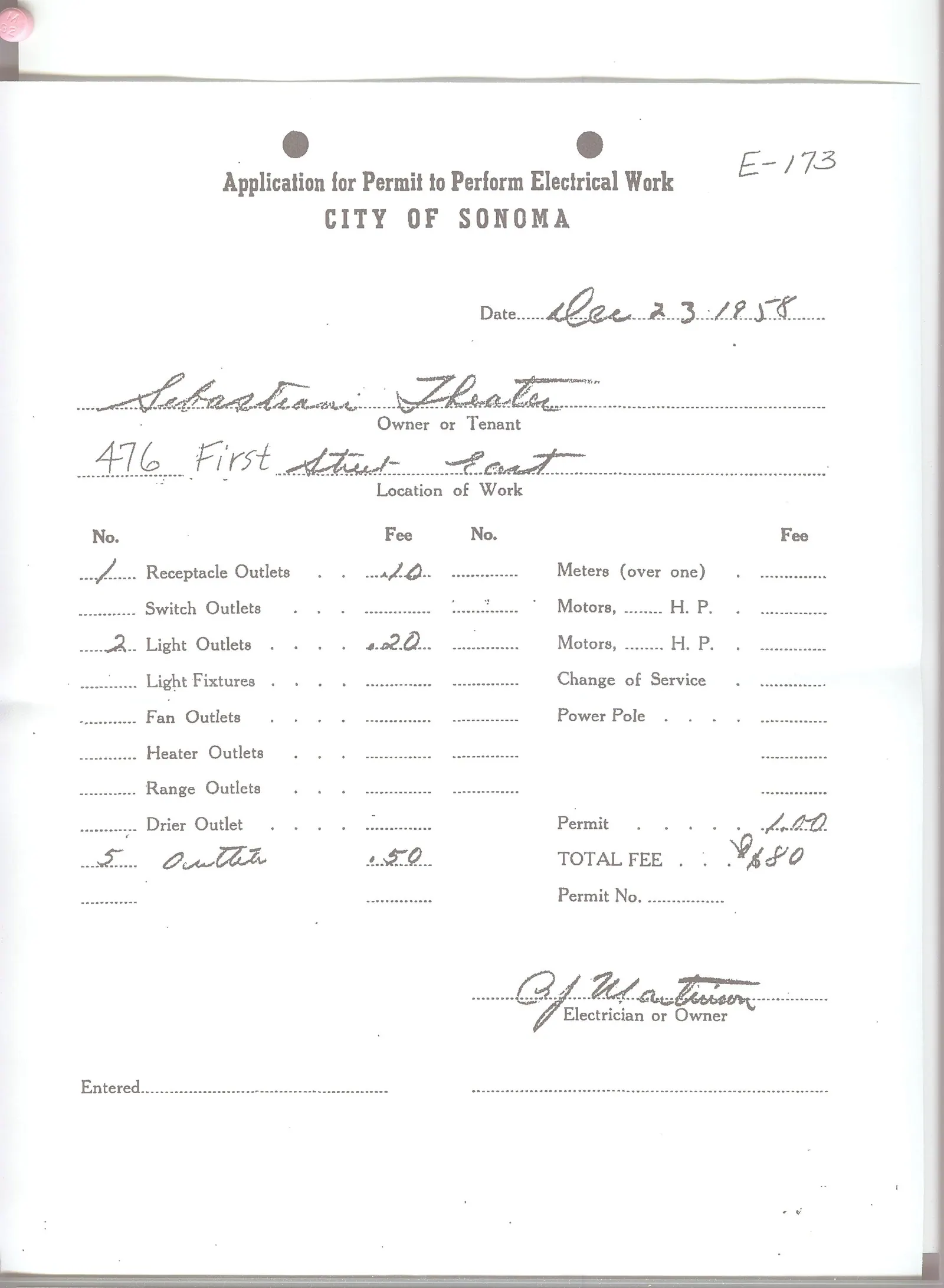
Yes, in almost every case. If you're adding a circuit, replacing a panel, wiring a new outlet, or doing anything beyond swapping a fixture, Idaho requires an electrical permit and inspection. This applies whether you're in Sagle, Sandpoint, Coeur d'Alene, or out on a rural lot in either county. Idaho doesn't have a statewide building code exemption for small jobs, and the Division of Building Safety (DBS), which handles electrical inspections in most of North Idaho outside city limits, takes this seriously.
The confusion usually comes from two things: people mixing up plumbing/building permits with electrical permits, and people assuming that because they're doing the work themselves, no one will check. Both of those assumptions cause real problems, which we'll get into.
Work that requires a permit
As a general rule, any work that involves new wiring, a new circuit, or a change to your electrical system's capacity needs a permit. That includes:
- Installing a new circuit breaker or subpanel
- Replacing or upgrading a main electrical panel
- Adding outlets, switches, or light fixtures that require new wiring
- Wiring a garage, shop, barn, or detached structure
- Installing an EV charger circuit
- Running wire for a hot tub, well pump, or generator transfer switch
- Any service upgrade (for example, going from 100 amp to 200 amp service)
- Rewiring after fire, water damage, or a remodel that touches walls
If you're hiring a licensed electrician, they will normally pull the permit themselves and build the cost into the estimate. If they don't mention a permit for work like this, that's worth asking about directly.
Work that usually does not require a permit
Idaho code, like most states, allows some minor maintenance without a permit. This generally includes:
- Replacing a light fixture on an existing outlet, like-for-like
- Swapping a switch or outlet cover, or replacing a broken switch/outlet with the same type
- Replacing a ceiling fan on existing wiring (no new circuit)
- Changing out a breaker for one of the same rating, on some interpretations, though this varies
- Repairing or replacing a cord on an appliance
The line here is "repair and replacement of existing components" versus "new work." The moment you're adding a circuit, moving a wire to a new location, or increasing capacity, you're back in permit territory. If you're not sure whether your project counts as a repair or new work, that's a good reason to call your local building department or an electrician before you start, not after.
Who issues the permit in Bonner and Kootenai County
This is where it gets a little more specific to North Idaho. Coverage depends on whether you're inside city limits or in the unincorporated county.
- Inside Sandpoint, Ponderay, Dover, or other incorporated cities in Bonner County, the city's own building department usually handles permits.
- Unincorporated Bonner County, including Sagle, Sagle Road corridor properties, and most rural lots, falls under the Idaho Division of Building Safety.
- Coeur d'Alene, Post Falls, Rathdrum, and Hayden each have their own city building departments for work inside city limits.
- Unincorporated Kootenai County is also generally under DBS jurisdiction, though some areas have local agreements.
Because jurisdiction depends on the exact parcel, the safest move is to check with the specific city or county office before assuming which one applies, especially near city boundaries.
What the permit and inspection process actually looks like
For most residential jobs, the process is straightforward:
- An electrical permit application is submitted, either by the homeowner or the licensed electrician doing the work, describing the scope of the job.
- A permit fee is paid. For a typical residential job, this often runs somewhere in the range of $75 to $250, though panel upgrades and larger jobs can run higher. Treat this as a rough range, not a quote, since fees vary by jurisdiction and job size.
- The work is completed to code.
- An inspector visits to check the work before it's covered up (for example, before drywall goes back on) and again after everything is finished and energized.
- Once it passes, the permit is closed and there's a record on file with the county or city.
For a straightforward job like a panel upgrade or a new circuit, this whole cycle might take anywhere from a few days to a couple of weeks, depending on inspector availability, which tends to get busier in summer building season.
Can homeowners pull their own permit?
In Idaho, homeowners can generally pull an electrical permit and do their own wiring on a home they own and occupy, without a contractor license. This is sometimes called an "owner-builder" exemption. It doesn't apply to rental properties, commercial buildings, or work you're doing for someone else, even as a favor. If you're a landlord or you're renting out a cabin, you'll need a licensed electrician to pull the permit and do the work.
Doing your own electrical work legally is one thing. Doing it safely and to code is another. Permitted work still has to pass inspection, and a homeowner who fails an inspection has to fix the issue and get re-inspected, which costs time either way.
What happens if you skip the permit
Unpermitted electrical work causes problems that show up later, usually at the worst time:
- Home sales can stall or fall through when an inspector or appraiser finds unpermitted work, especially a panel upgrade or subpanel with no paper trail.
- Insurance claims can be denied if a fire or damage is traced to work that was never inspected.
- Local building departments can require you to open up walls and redo the work to permit it retroactively, which costs far more than pulling the permit up front would have.
- If you're building or remodeling, a final occupancy inspection can get held up by unrelated unpermitted electrical work discovered on the property.
None of this is about getting caught by an inspector driving by. It's about what happens years later when you sell the house, file a claim, or have a fire investigator asking questions.
When it's genuinely not worth worrying about
If you're replacing a light fixture, swapping a faceplate, or putting in a new outlet cover, don't lose sleep over it. These are the kinds of small maintenance tasks the code doesn't require a permit for, and no inspector is going to care. The permit question really only matters once you're opening up wiring, adding capacity, or touching anything tied to your main panel or service.
If you're planning a project and you're not sure which category it falls into, a quick call to your local building department or a licensed electrician will settle it faster than guessing. Sageland Electric handles permitted work throughout Bonner and Kootenai County and can tell you upfront whether your project needs one.
Need an electrician in North Idaho?
Family-owned, 5-star rated, and 21 years serving Bonner and Kootenai counties.
Request service