Wire Size and Overloaded Circuits: What Homeowners Get Wrong
Public domain, via Wikimedia Commons
Fixing an undersized wire or an overloaded circuit usually runs $150 to $600 for a single circuit correction, and $1,500 to $3,500 or more if it involves a panel upgrade or several circuits in a finished home. The range depends on how the wire is run, whether walls need to be opened, and whether the problem is one outlet or a symptom of a whole panel that's undersized for the house.
What drives the price
| Factor | Effect on cost |
|---|---|
| Wire gauge mismatch | Swapping a breaker without upsizing the wire is cheap but dangerous. Doing it right means pulling new wire, which costs more but is the only safe fix. |
| Accessibility | Wire in an open basement or crawlspace is quick to replace. Wire buried in finished walls or under a slab means cutting drywall or fishing, which adds hours. |
| Run length | A 10-foot run to a nearby outlet costs less than 40 feet of wire routed through a finished attic or crawlspace. |
| Panel capacity | If the panel itself is maxed out, you're not just fixing one circuit, you may need a subpanel or full panel upgrade. |
| Permit and inspection | Any circuit work in Bonner or Kootenai counties should be permitted. This adds a modest fee but protects you at resale and with insurance. |
A realistic example
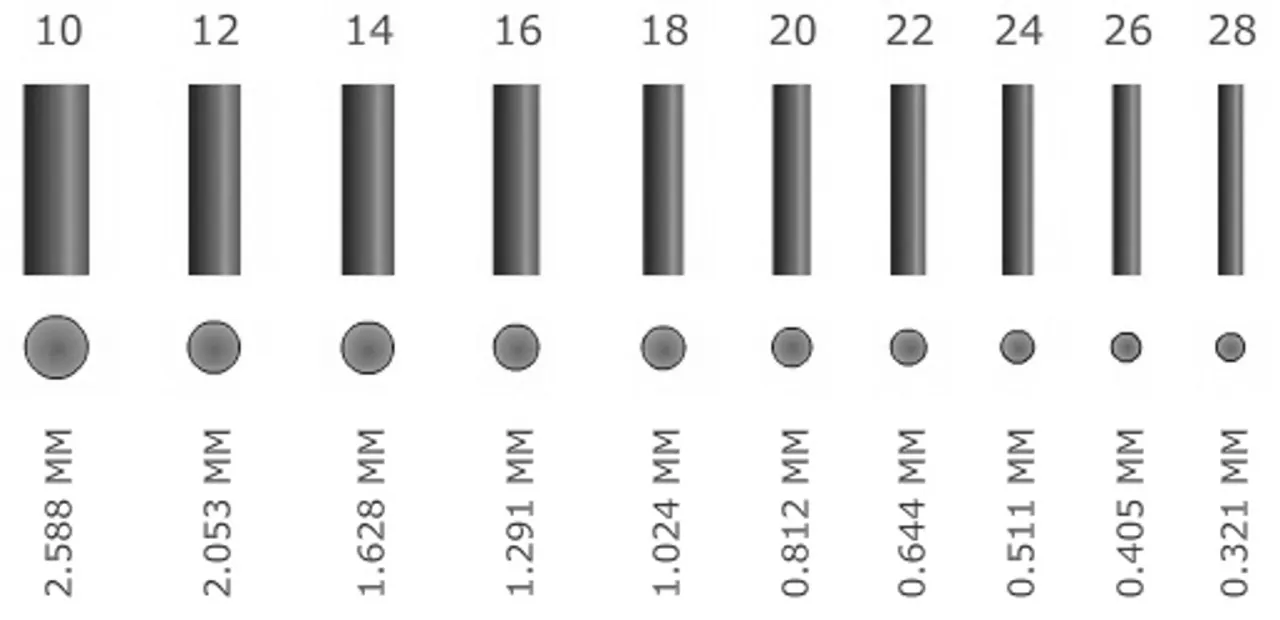
A typical case: a kitchen circuit trips whenever the microwave and coffee maker run at the same time. An electrician checks the panel and finds a 20-amp breaker feeding wire that's actually 14-gauge, rated for only 15 amps. Someone likely swapped the breaker years ago to "stop the tripping" without upgrading the wire. That's backwards and it's a real fire risk, because the wire can now carry more current than it's rated to handle before the breaker trips.
The fix is to replace the breaker with the correct 15-amp size, or better, run new 12-gauge wire and keep the 20-amp breaker, giving the kitchen more real capacity for appliances. For an open, accessible run under a crawlspace, that job often lands in the $250 to $500 range, including the new outlet and breaker. If the wire runs through finished walls with no attic or basement access, add another $200 to $600 for patching and repair after the electrical work is done.
Where people overpay
The most common overspend is paying for a full house rewire when only a handful of circuits are actually undersized. Older homes in Sagle, Sandpoint, and Coeur d'Alene often have a mix of eras: some circuits from a 1990s remodel are fine, others from the original 1970s wiring are not. A good electrician tests circuit by circuit rather than quoting a blanket rewire, and that keeps the bill tied to the actual problem.
The second overspend is buying oversized wire "just to be safe" on a whole project when it isn't needed. Thicker wire costs more, is harder to bend into boxes, and doesn't fix anything if the real issue is too many devices on one circuit rather than wire that's too thin. Matching wire gauge to the actual amperage and load is the goal, not maximizing wire size everywhere.
The third is DIY breaker swaps that seem to solve the problem for free. Putting in a bigger breaker to stop nuisance tripping without checking the wire gauge behind it is the single most common mistake homeowners make. It hides the real problem instead of fixing it, and it can turn a $300 repair into a much bigger issue if the wire overheats inside a wall where nobody can see it.
How to get an accurate quote
Before calling an electrician, note which specific outlets or rooms trip the breaker and what's plugged in when it happens. If you know your panel's brand and age, mention it. Ask for a load calculation on the circuit in question, not just a visual check, since that's what actually tells you if the wire and breaker match the real demand. A written quote should separate diagnosis, wire and breaker replacement, and any drywall repair as separate line items, so you can see what you're paying for.
If tripping happens on more than one circuit, or if you smell anything warm or burnt near an outlet or the panel, that's worth a same-week call rather than waiting. Sageland Electric works on this kind of diagnosis regularly across Bonner and Kootenai counties, and the short version of the advice is simple: match the wire to the breaker, not the breaker to the symptom.
Need an electrician in North Idaho?
Family-owned, 5-star rated, and 21 years serving Bonner and Kootenai counties.
Request service