Fuse Boxes vs Breaker Panels: What Older North Idaho Farmhouses Still Have
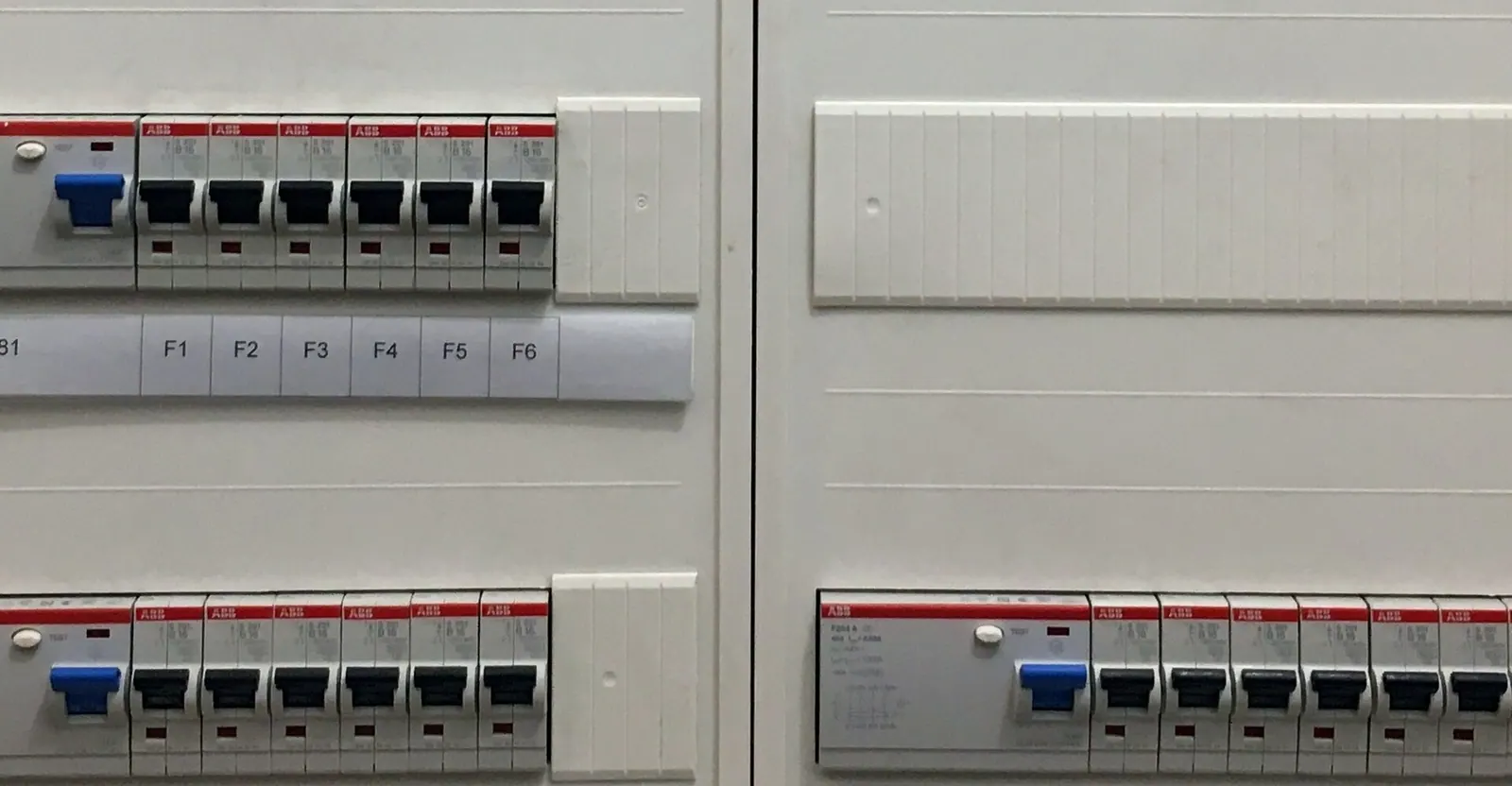
CC0, via Wikimedia Commons
If your farmhouse still has a fuse box, it's not automatically dangerous, but it's almost always outdated and it will limit what you can safely run in the house. Replacing a fuse box with a modern breaker panel typically runs $2,000 to $4,500 for a straightforward swap, and $4,500 to $8,000 or more if the service also needs to be upsized, the meter base replaced, or wiring brought up to current code. The range is wide because fuse boxes in old farmhouses rarely exist in isolation. They usually come with knob-and-tube remnants, undersized service, or a barn and well pump tacked onto the same circuit.
What drives the price
| Factor | Effect on cost |
|---|---|
| Amperage upgrade (60A to 200A) | Adds cost for new meter base, service wire, and panel sized for modern loads |
| Number of circuits | More circuits means more breakers, more labor to map and relabel each one |
| Condition of existing wiring | Aluminum, knob-and-tube, or undersized wire often needs partial rewiring, not just a panel swap |
| Panel location | Moving the panel from a cellar or exterior wall to a better spot adds labor and materials |
| Permit and inspection requirements | Bonner and Kootenai counties require permits for service upgrades, which adds a modest but real cost |
| Outbuildings on the same service | Barns, shops, or wells fed from the house add complexity and sometimes require their own subpanel |
A fuse box itself isn't the enemy. Fuses actually protect circuits reliably when sized correctly. The real issues are what usually comes with them: 60-amp service that can't handle a modern kitchen and a heat pump at the same time, double-tapped fuses, pennies or oversized fuses jammed in to stop nuisance blowing, and wiring insulation that's brittle after 60-plus years. Those are the things that turn a fuse box from "old-fashioned" into "unsafe."
A realistic example
A typical case: a 1950s farmhouse near Sagle or Careywood with a 60-amp fuse box in the basement, feeding the house and a detached garage. The homeowner wants to add central air and maybe a hot tub down the road. In this scenario, the job usually involves:
- Upgrading the service from 60 amps to 200 amps, including new meter base and service entrance cable
- Installing a new 200-amp breaker panel in a more accessible location, often moving it from the dirt-floor cellar to the main level or an exterior wall
- Running a new feeder to the garage subpanel instead of sharing the old fuse circuit
- Replacing a handful of obviously degraded branch circuits, not the whole house
- Permit, inspection, and utility coordination since the utility has to disconnect and reconnect service for the upgrade
A job like this commonly lands in the $5,000 to $7,500 range, depending on how much of the old wiring gets touched and how far the new panel location is from the meter. If the garage wiring turns out to be old lamp cord buried in the wall (it happens more than people expect in farm outbuildings), that adds to the number.
Where people overpay
The most common overpay happens when someone agrees to a full rewire before anyone has actually opened walls to see what's there. Old houses vary a lot. Some 1940s farmhouses got rewired in the 1980s and just kept the old fuse box out of habit. Others still have the original wiring from the day the house was built. A good electrician inspects before quoting a rewire, rather than assuming the worst and pricing for it.
Another overpay spot is sizing the new service bigger than the property will ever need. Not every farmhouse needs 400-amp service. If there's no shop, no large well pump, and no plans for a big addition, 200 amps is usually plenty and costs less than jumping straight to 400 amps "to be safe."
People also overpay by treating the panel swap and the outbuilding wiring as one project when they don't have to be. Sometimes it makes sense to upgrade the house service now and deal with the barn or garage wiring as a second phase next year. Bundling everything into one invoice isn't always cheaper, it just feels more efficient.
How to get an accurate quote
Have the electrician actually see the fuse box, the meter, and as much of the visible wiring as possible before quoting. Photos help for a rough idea, but an accurate number needs eyes on the panel, the attic, and the crawlspace if there is one. Mention any outbuildings fed from the same service, any appliances you're planning to add, and whether you've had any breakers (or fuses) that blow or buzz. If you're not sure what you have, that's fine, that's the point of the visit. Sageland Electric has been doing panel upgrades on older North Idaho homes for over 21 years and can walk through what your specific fuse box setup needs before any work starts.
Need an electrician in North Idaho?
Family-owned, 5-star rated, and 21 years serving Bonner and Kootenai counties.
Request service